Utah Standardized Field Sobriety Testing (SFST) – Everything You Need to Know
Understanding Utah DUI Laws
Utah has some of the strictest DUI laws in the nation. Most rules are outlined under Utah Code 41-6a-501, Part 5: Driving Under the Influence and Reckless Driving.
This section covers 31 different statutes, including:
- Traditional DUIs
- Reckless Driving
- Interlock-Restricted Drivers
- “Not a Drop” and Alcohol-Restricted Drivers
- Other impaired driving offenses
Because of its complexity, both drivers and attorneys often need to reference this code to fully understand Utah DUI consequences.
My Training Experience
I recently completed a 24-hour Standardized Field Sobriety Testing (SFST) course through Impaired Driving Specialists, LLC. The program followed the 2023 NHTSA curriculum and was taught by experienced instructors, including an expert witness who has been teaching the course since 2002.
The training included two live clinics where volunteers consumed varying amounts of alcohol (ranging from 0.04 BAC to 0.15 BAC) so students could practice administering field sobriety tests in real-world conditions.
Utah’s Standardized Field Sobriety Tests (SFSTs)
Utah follows the three standardized tests approved by the National Highway Traffic Safety Administration (NHTSA):
- HGN (Horizontal Gaze Nystagmus) – Eye movement test (validated at 88%)
- WAT (Walk and Turn) – Physical coordination test (validated at 79%)
- OLS (One-Leg Stand) – Balance and coordination test (validated at 83%)
1. Horizontal Gaze Nystagmus (HGN) – The Most Reliable Test
The HGN test is considered the most reliable of the three, with 88% accuracy in detecting impairment.
- What it measures: Involuntary jerking of the eyes when alcohol is present
- Why it’s reliable: Eye movement is involuntary and cannot be faked
- How it’s administered: Officers check for six total clues (three per eye)
The three validated HGN clues are:
- Lack of Smooth Pursuit
- Distinct and Sustained Nystagmus at Maximum Deviation
- Onset of Nystagmus Prior to 45 Degrees
👉 Important Note: These clues are progressive. For example, an officer cannot record clue #3 unless clues #1 and #2 are also present.
2. Walk and Turn (WAT)
The Walk and Turn test is a divided attention test that measures a driver’s ability to follow instructions while performing physical movements.
- Accuracy: 79% validated
- Requirements: Walk in a straight line, heel-to-toe, turn using small steps, and return
8 Validated Clues include:
- Cannot keep balance during instructions
- Starts too soon
- Stops while walking
- Fails to touch heel-to-toe
- Steps off line
- Uses arms to balance
- Improper turn
- Incorrect number of steps
👉 Scoring: 2+ clues = BAC likely ≥ 0.08.
3. One-Leg Stand (OLS)
The One-Leg Stand test focuses on balance and coordination.
- Accuracy: 83% validated
- Requirements: Stand on one leg, keep the other leg raised six inches off the ground, and count aloud.
4 Validated Clues include:
- Sways while balancing
- Uses arms for balance
- Hopping
- Puts foot down
👉 Scoring: 2+ clues = BAC likely ≥ 0.08.
Why These Tests Matter in Utah
Because Utah has a 0.05 BAC legal limit (the strictest in the nation), field sobriety tests are crucial tools for officers in determining impairment.
While not perfect, the three SFSTs provide courts with validated, scientific methods of detecting alcohol impairment.
Quick Cheat Sheet for SFSTs
✅ HGN = 3 clues per eye (6 total): smooth pursuit, max deviation, onset before 45° ✅ WAT = 8 clues: 2 during instructions, 6 during walking stage ✅ OLS = 4 clues: all during balance stage 👉 Thresholds: 2+ clues on WAT/OLS, 4+ on HGN = likely impairment
Final Thoughts
Utah’s DUI laws are complex and strict, and understanding how Standardized Field Sobriety Testing (SFST) works can make a huge difference for both drivers and defense attorneys.
Based on my training and real-world practice sessions, the HGN test remains the most reliable, but all three tests—when administered correctly—provide valuable insight into possible impairment.
If you’re facing a DUI charge in Utah, consult with a knowledgeable DUI attorney who understands both Utah DUI laws and the science behind SFSTs.
FAQs About Utah Field Sobriety Testing
1. What are the three standardized field sobriety tests in Utah? HGN (Horizontal Gaze Nystagmus), Walk and Turn, and One-Leg Stand.
2. Which sobriety test is the most accurate? The HGN test (88% accuracy) is considered the most reliable.
3. Can you refuse field sobriety tests in Utah? Yes, but refusal may impact your case and could be used against you in court.
4. What BAC levels were used in your training clinics? Volunteers ranged from 0.04 BAC to 0.15 BAC, covering both below and above Utah’s legal limit.
5. Do Utah officers always use all three tests? Typically, yes. Officers are trained to administer all three SFSTs for accuracy and validation.
6. Why is Utah’s DUI law stricter than other states? Utah was the first state to lower the legal BAC limit to 0.05, aiming to reduce impaired driving incidents.
SEO Details
- Slug: utah-standardized-field-sobriety-testing-sfst
- Focus Keyphrase: Utah Standardized Field Sobriety Testing
- SEO Title: Utah Standardized Field Sobriety Testing (SFST) – DUI Laws & Tests Explained
Do you want me to also create a table version of the SFST cheat sheet (HGN, WAT, OLS) so it stands out in the blog post and improves SEO with structured content?
Learn More About Criminal Defense Lawyer Jake Gunter
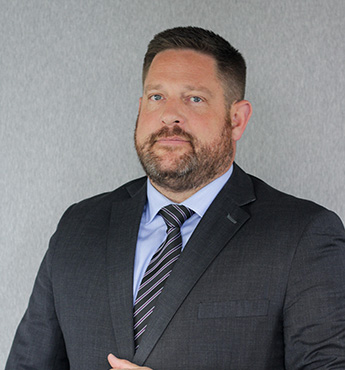
For additional insights on Criminal Defense Law and to get to know Jake Gunter better, check out these helpful videos:
- Meet Jake Gunter – Learn more about Jake Gunter's background, experience, and dedication to helping clients throughout Utah.
- How to Choose a Utah Personal Injury Attorney – This video offers guidance on selecting the right personal injury attorney to ensure you receive effective representation.
- What Jake Gunter Does and Who He Represents – Discover the types of cases Jake Gunter handles and how he advocates for the rights of injured individuals statewide.
These resources will provide you with valuable information as you consider your legal options. For any questions or to schedule a free consultation, feel free to reach out to us directly.